




Beginner Tips for Backyard Birdwatching: A Fun and Easy Guide
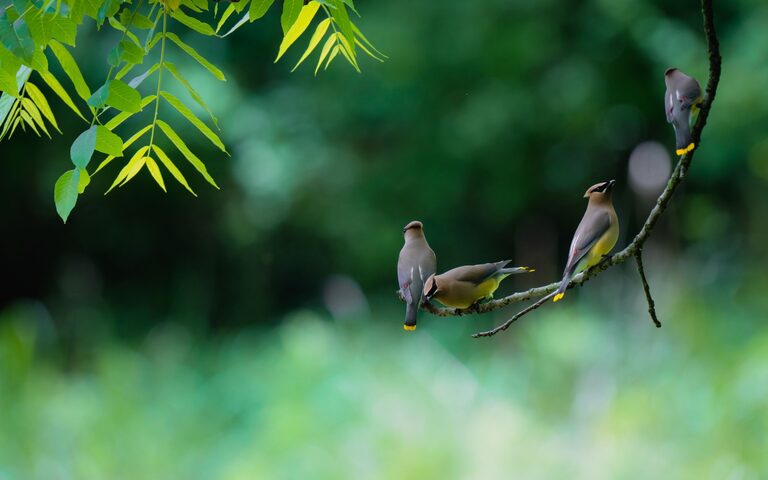
Birdwatching is a rewarding hobby that connects you with nature and brings peaceful moments right to your backyard. Whether you live in the city or countryside, watching birds can be both relaxing and educational. If you’re new to birdwatching, this guide will help you get started with useful tips to attract and identify birds in your own outdoor space.
Why Try Backyard Birdwatching?
Birdwatching offers many benefits. It encourages you to slow down and observe the natural world. You’ll notice different species, behaviors, and seasonal changes. Plus, it’s an easy hobby to start since you only need your own backyard or a nearby park.
What You’ll Need to Get Started
Basic Gear
– Binoculars: A good pair doesn’t have to be expensive. Look for binoculars with 8x to 10x magnification for clear close-up views.
– Field Guide or App: A bird identification guidebook or a mobile app helps you recognize species by their colors, shapes, and songs.
– Notebook or Journal: Recording your sightings and notes makes birdwatching more engaging and helps track your progress.
Optional Accessories
– Bird Feeder: Attract birds with seeds suitable for your local species.
– Birdbath: Fresh water draws birds for drinking and bathing.
– Camera: Capture photos to share or study later.
How to Attract Birds to Your Backyard
Choose the Right Feeder and Food
Different birds prefer different foods. Here are some popular options:
– Black-oil sunflower seeds: Loved by many birds like finches, chickadees, and cardinals.
– Nyjer (thistle) seeds: Great for attracting finches.
– Suet cakes: High-energy food for woodpeckers and nuthatches.
– Fruit and nectar: Orioles and hummingbirds enjoy sweet foods.
Place feeders in quiet areas near cover such as shrubs or trees where birds can perch safely.
Provide Water and Shelter
Water sources like birdbaths or shallow dishes are essential. Keep the water clean and change it regularly. Dense bushes, trees, and brush piles offer birds safe places to hide and rest.
Avoid Chemicals
Limit pesticides and herbicides in your yard to create a safer environment for birds and their insect food sources.
Best Times to Watch Birds
Birds are most active during early morning and late afternoon. Spend time outside during these periods for the best chances of sightings. Spring and fall are great seasons due to bird migrations, while winter brings species searching for food and shelter.
How to Observe Birds Effectively
Be Patient and Quiet
Birds are easily startled by loud noises or sudden movements. Find a comfortable spot and stay still, observing quietly.
Use Your Senses
Look for movement, listen for bird songs, and watch for feeding or flying patterns to spot different species.
Keep a Distance
Observe birds without getting too close to avoid disturbing their natural behavior.
Learning to Identify Birds
Focus on Key Features
Pay attention to:
– Size and shape
– Colors and markings
– Beak shape
– Behavior and flight style
– Calls and songs
Use Resources
Refer to a field guide or mobile app to compare your observations. Many apps allow you to enter location and time to narrow down likely species.
Joining the Birdwatching Community
Connecting with others who share your interest can be fun and educational. Consider:
– Joining local birdwatching clubs or groups
– Participating in bird counts or citizen science projects
– Sharing photos and sightings online
Final Tips for Success
– Start small and enjoy the process.
– Keep your yard bird-friendly year-round.
– Respect wildlife and their space.
– Celebrate each new species you identify.
Birdwatching is a hobby that grows over time. With these beginner tips, your backyard can become a wonderful spot for nature discovery and relaxation. Happy birdwatching!